Commercial Roof Replacement
for Midwest Businesses

A Better Roof Starts With the Right Plan

Replacing a commercial roof is a major investment in your building. The right plan should address more than the immediate condition of the roof. Building use, existing materials, drainage, rooftop equipment, long-term maintenance, and future roofing costs should all factor into the decision. 

Great Lakes Roofing provides commercial roof replacement for building owners, property managers, and facility managers throughout Chicago, Northwest Indiana, Northern Illinois, Wisconsin, Southwest Michigan, and surrounding Midwest markets. Since 1989, we have focused on commercial roofing and understand how to plan replacement projects around the needs of active facilities. 

If your roof is experiencing widespread deterioration, repeated leaks, or other signs of failure, our team can evaluate its condition and help you determine the right path forward. 
Contractor: Great Lakes Roofing. Contact: Jesse Spain jspain@greatlakesroof.com
Great Lakes Roofing-18

When Is It Time to Replace a Commercial Roof?

Roof age is one factor in determining whether replacement makes sense, but it should not be the only one. Two roofs of the same age can be in very different condition based on their roofing system, maintenance history, drainage, weather exposure, and previous repairs. 

Some conditions that may point to the need for commercial roof replacement include: 

  • Recurring leaks in multiple areas 
  • Widespread membrane deterioration 
  • Large areas of wet or damaged insulation 
  • Extensive seam or flashing failures 
  • Significant storm or wind damage 
  • Increasing frequency and cost of repairs 
  • Problems affecting multiple sections of the roof 
  • A roofing system approaching the end of its expected service life 

Replacement is not automatically the answer every time a roof develops a problem. If damage is isolated and the rest of the system remains in serviceable condition, commercial roof repair may be a more practical option. 

A professional evaluation gives building owners the information needed to compare the cost of continued repairs against a larger capital investment. 

What Goes Into a Commercial
Roof Replacement?

A successful commercial roof replacement begins well before new roofing material is installed. Planning helps identify existing conditions, define the scope of work, and account for the needs of the property during construction. 

Roof Evaluation

The existing roofing system should be evaluated to understand its overall condition. This can include the membrane, insulation, flashing, penetrations, drainage areas, roof edges, rooftop equipment, and other components. 

A commercial roof inspection can provide valuable information before replacement decisions are made. 

Project Planning

Once existing conditions are understood, the replacement can be planned around the building. This includes selecting the roofing system, determining tear-off requirements, planning material staging and access, and developing a schedule that accounts for weather and facility operations. 

Existing Roof Removal & Preparation

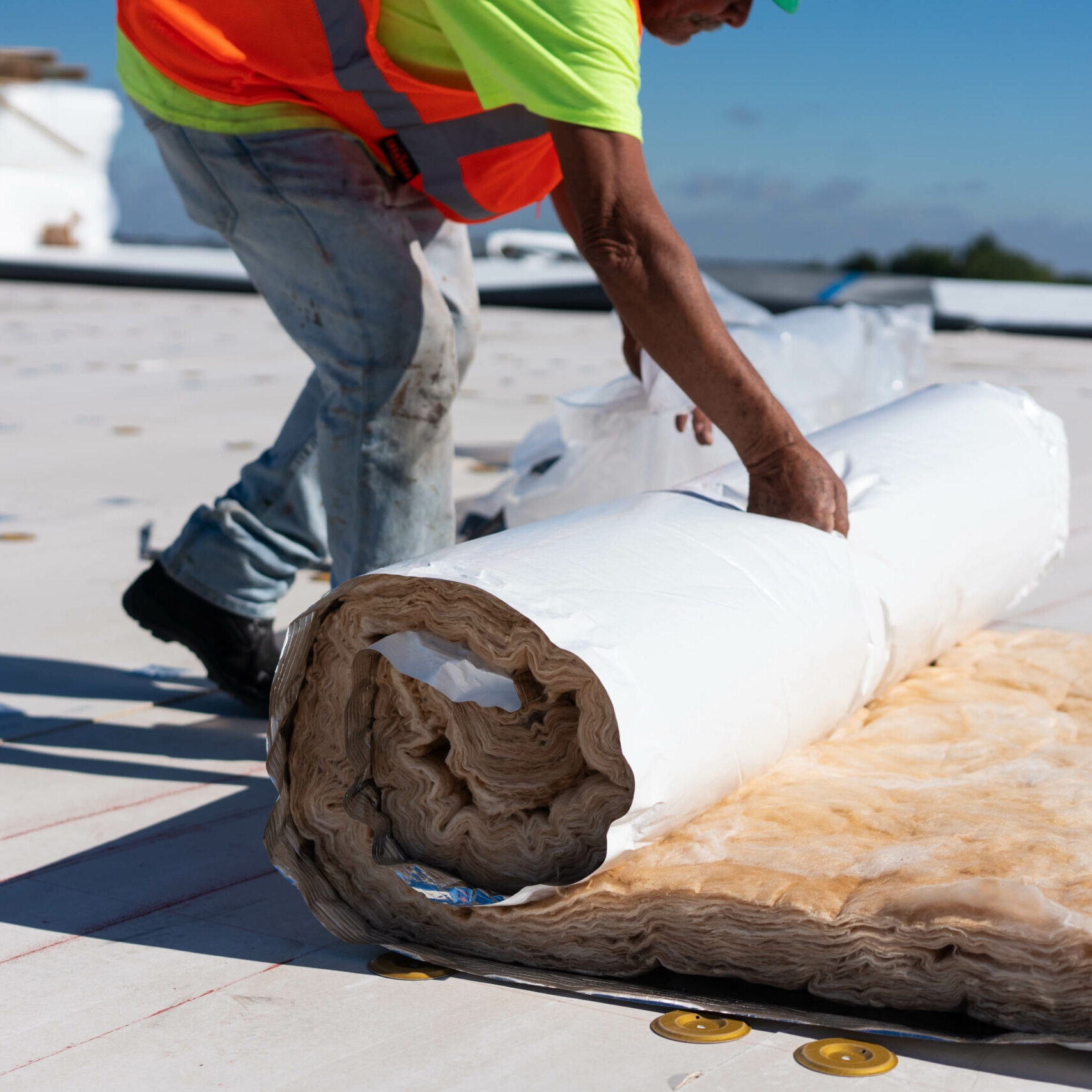
Depending on the existing system and project requirements, some or all of the old roofing materials may need to be removed. The underlying components can then be evaluated and prepared for installation. Finding damaged decking or wet insulation during this stage can affect the project scope, which is why a thorough evaluation before work begins is so valuable. 

New Roof Installation

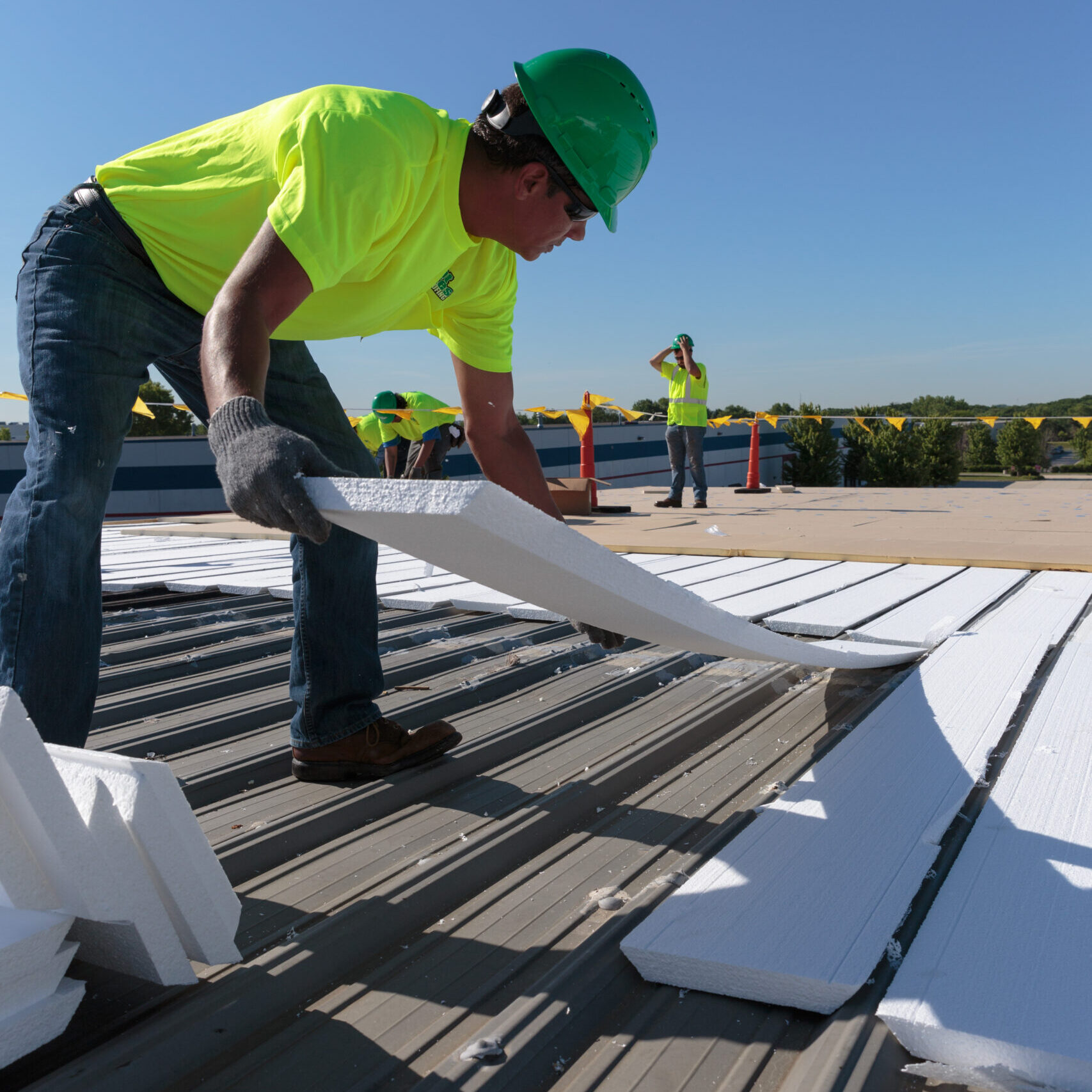
The selected commercial roofing system is installed according to the project's specifications. Details around penetrations, drains, roof edges, flashing, HVAC curbs, and transitions are addressed as part of the new system. 

Final Review

Once installation is complete, the finished roofing system is reviewed and the project is closed out with the appropriate information and documentation. 

Choosing the Right Roofing System for Your Building

There is no single roofing material that is the best choice for every commercial property. 

A warehouse with a large open roof may have different priorities than a manufacturing plant filled with rooftop equipment. A retail property may need work completed around customer traffic, while an institutional facility may place greater emphasis on long-term maintenance and energy performance. 

Before selecting a system for commercial roof replacement, several factors should be considered: 

  • Roof size and slope 
  • Existing roofing materials 
  • Building use 
  • Number of penetrations and rooftop units 
  • Roof access and foot traffic 
  • Drainage 
  • Energy-efficiency goals 
  • Expected service life 
  • Maintenance requirements 
  • Project budget 
  • Midwest weather conditions 

Evaluating these factors allows the roofing system to be selected based on the property rather than simply replacing the existing roof with the same material. 
commercial roof inspection

Commercial Roofing Systems We Install

Great Lakes Roofing works with several roofing systems commonly found on commercial and industrial buildings. 

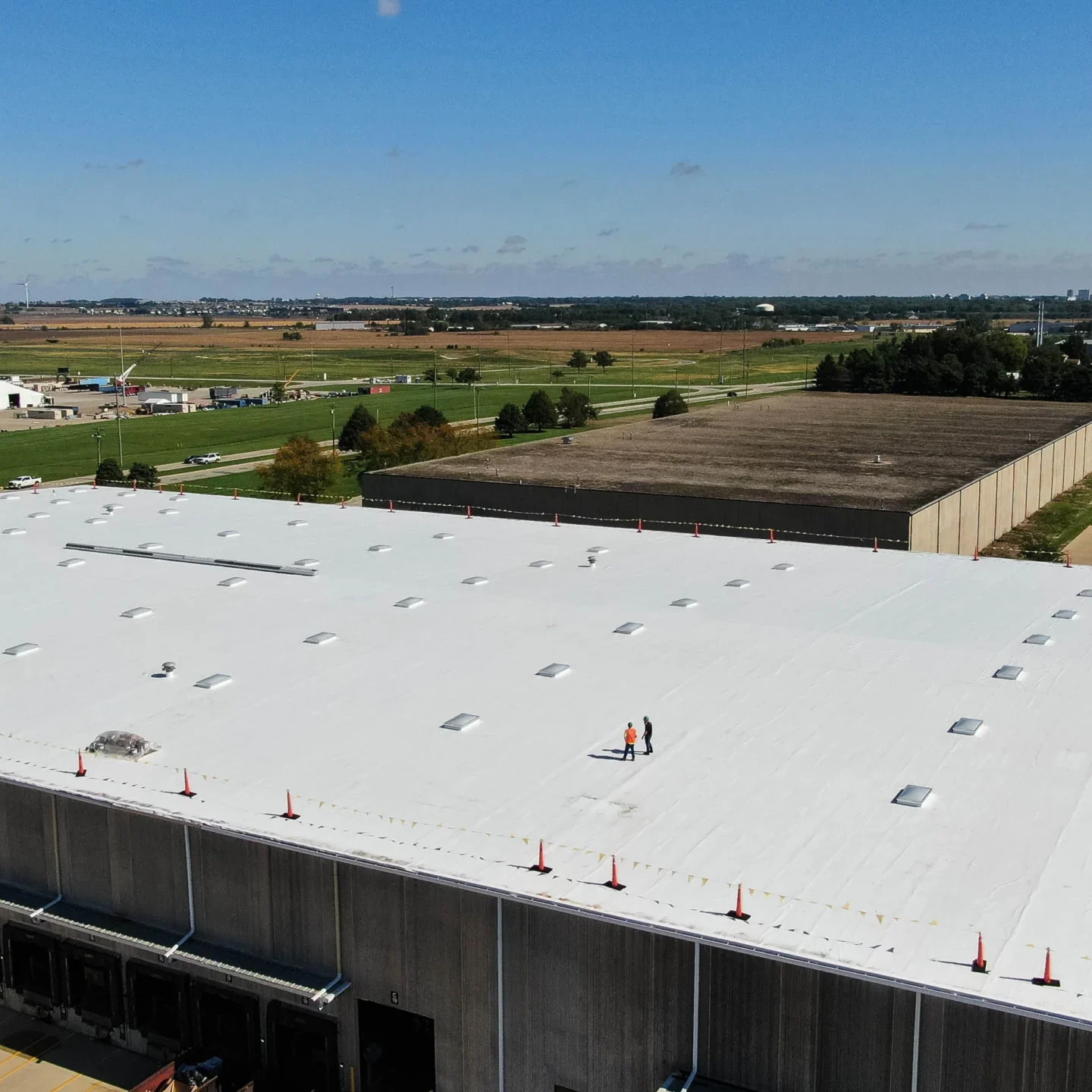
TPO is a single-ply membrane commonly installed on flat and low-slope commercial roofs. Its reflective surface and heat-welded seams make it an option for many warehouses, retail properties, industrial facilities, and other large commercial buildings. 

EPDM is a flexible rubber roofing membrane with a long history of use on commercial properties. It can be a practical option for large flat and low-slope roof areas and performs across a wide range of weather conditions. 

These multi-layer systems can be used for commercial properties that need durable roofing with established performance characteristics. The appropriate system depends on the existing roof, building requirements, and project goals. 

Metal roofing can provide long service life and durability for commercial and industrial buildings. Existing roof design, slope, penetrations, and building use should all be evaluated when considering metal for a replacement project. 

What Affects Commercial Roof Replacement Cost?

Commercial roofing projects vary significantly in scope, which makes a universal price-per-square-foot estimate less useful without understanding the building. Several factors can affect the final cost:


Total roof size | Type of existing roof | Amount of material requiring removal | Condition of the roof deck | Wet or damaged insulation | New roofing system selected | Number of penetrations and HVAC units | Flashing and edge details | Drainage improvements | Building height and roof accessibility | Material and labor requirements 


A detailed evaluation allows Great Lakes Roofing to identify these conditions and develop a scope based on the actual property. For facility managers planning future capital expenditures, evaluating the roof before it reaches the point of failure can also provide more time to budget and schedule the project. 


Commercial Roof Replacement Without Unnecessary Disruption

Replacing a roof over an active commercial facility requires careful coordination. 

Employees may still be working. Tenants may need access to their spaces. Manufacturing operations may be running below the roof. Customers, deliveries, and contractors may be entering and leaving the property throughout the day. 

Project planning may need to account for: 

  • Building and loading-area access 
  • Employee and tenant activity 
  • Production schedules 
  • Rooftop HVAC equipment 
  • Material staging 
  • Noise and work hours 
  • Weather conditions 
  • Safety around occupied areas 

Great Lakes Roofing has decades of experience working on active commercial properties. We understand that the success of a roofing project includes how the work is managed around the people and operations inside the building. 
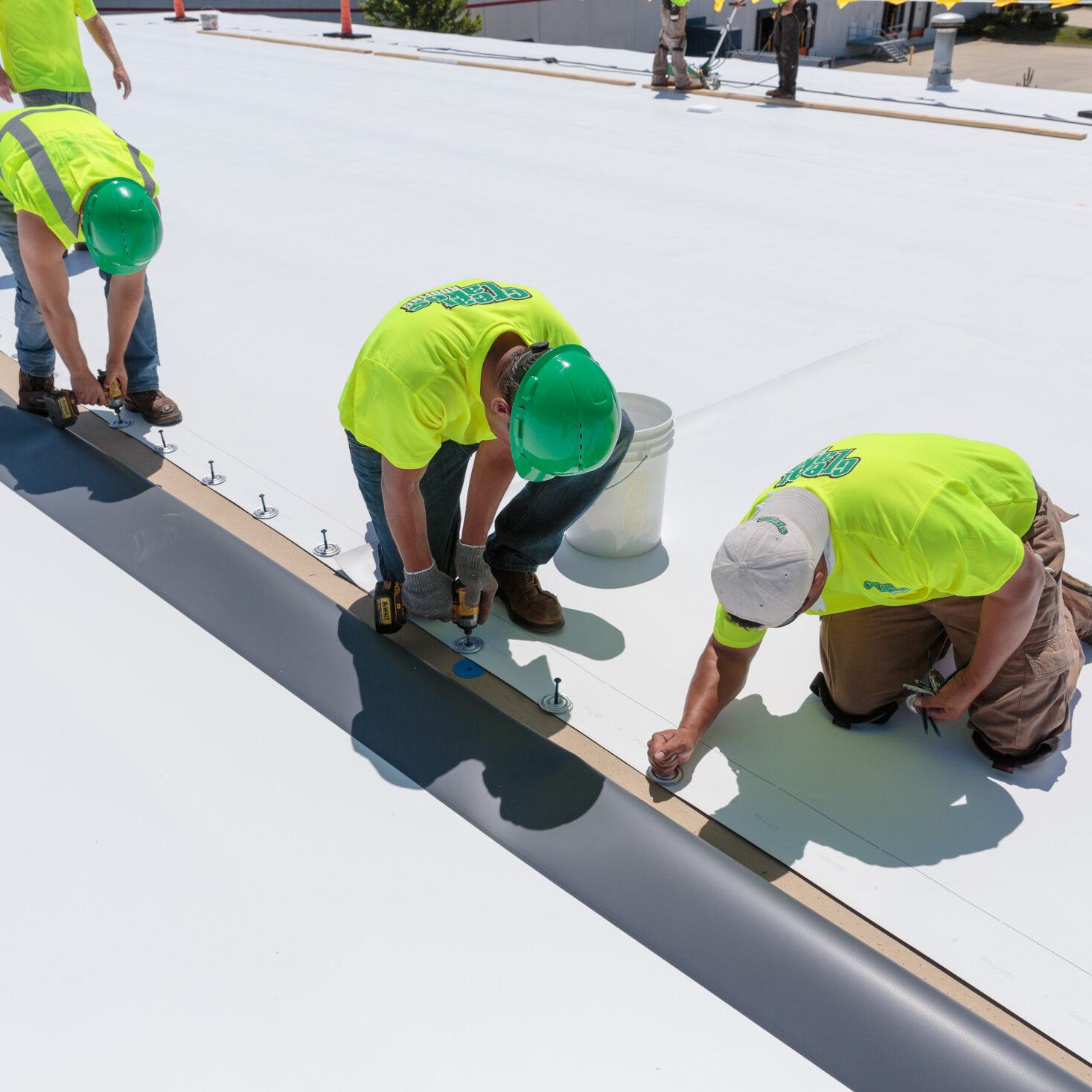
160507 6211 square 4b911be5c771f6328997a14bd204e7ea 98s32po41wj5 commercial roof replacement

Repair, Restore or Replace?

One of the most important decisions is determining how much work the existing roof actually needs. Great Lakes Roofing provides repair, restoration, maintenance, and replacement services. That allows us to evaluate the condition of the existing system and discuss the available options before a major roofing investment is made. 

Repair

Repair may make sense when damage is limited to specific areas and the surrounding roofing system remains in serviceable condition. 

Restoration

Restoration may be considered when the existing roof is still a viable candidate for improvements that can extend its useful service life. 

Replacement

Replacement becomes a stronger option when deterioration is widespread, moisture has affected significant portions of the system, repairs are becoming increasingly frequent, or the roof has reached the point where continued investment in the existing system no longer makes financial sense. 

Commercial Roof Replacement Across Chicago & the Midwest

Midwest commercial roofs face significant seasonal changes. Summer heat, heavy rain, high winds, snow, ice, and repeated freeze-thaw cycles can all contribute to roofing wear over time. 

Great Lakes Roofing provides commercial roof replacement throughout Chicago and Chicagoland, Northern Illinois, Northwest Indiana, Wisconsin, and Southwest Michigan. Our crews work on commercial and industrial properties across the region, including large and complex facilities where project coordination is critical. 

For qualifying customers with larger portfolios or specialized projects, Great Lakes Roofing also has the capability to travel beyond its primary Midwest service area. 

commercial roofing company

Plan Your Commercial Roof Replacement with Great Lakes Roofing

A new commercial roof should be an investment based on the needs of your building, not a rushed response to the latest leak. 

Great Lakes Roofing brings decades of commercial roofing experience to properties throughout Chicago, Northwest Indiana, Northern Illinois, Wisconsin, Southwest Michigan, and the surrounding Midwest. We can evaluate your existing system, discuss available roofing options, and develop a commercial roof replacement plan that accounts for your property, operations, and long-term roofing needs. 

FAQ

Visit our faq's page for more frequently asked questions.

Can a commercial roof be replaced in sections instead of all at once?
What happens if wet insulation is found during roof replacement?
Can a new commercial roof be installed over an existing roof?
How do rooftop HVAC units affect a roof replacement project?
How far in advance should we start planning a commercial roof replacement?